|
|
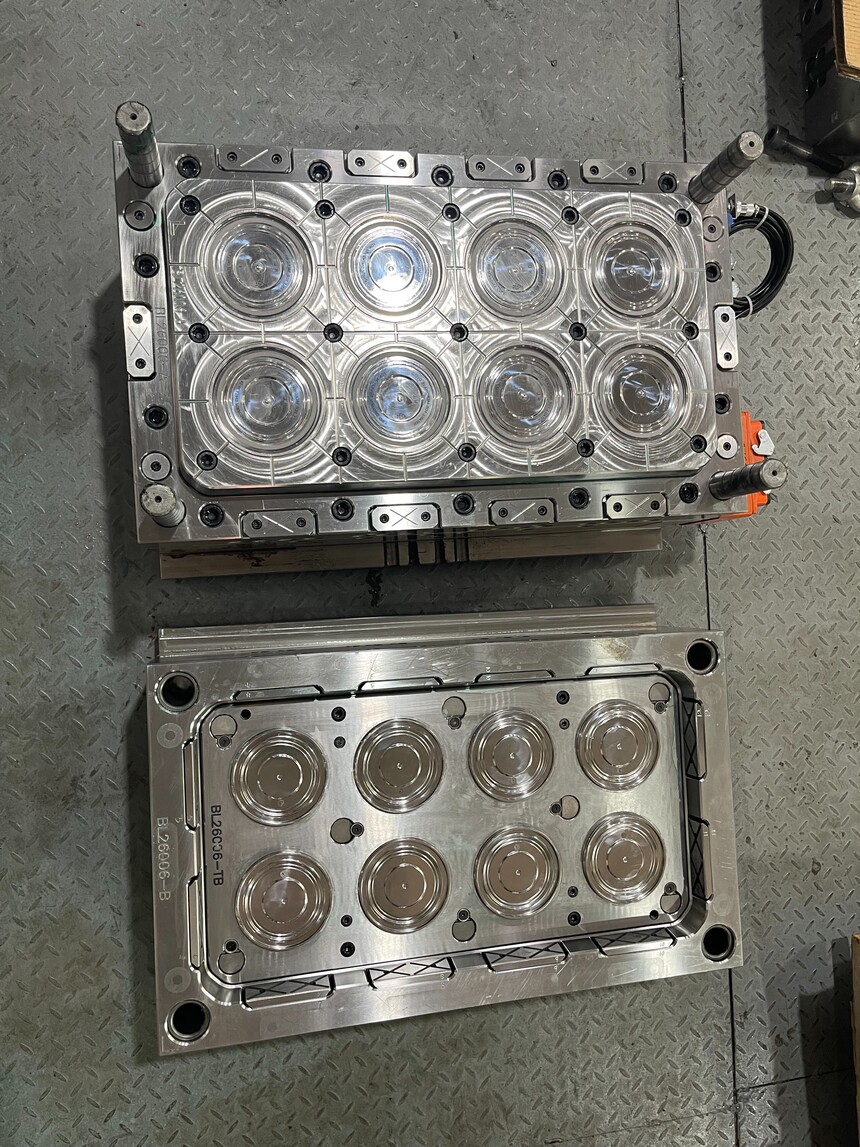
The future of disposable take-away packaging & Injection Mould Industry The global food delivery and take‑away packaging market keeps expanding in 2026. Driven by the gig‑economy food delivery platforms, urbanization and ready‑to‑eat food consumption, demand for disposable food containers, sauce cups and lunch boxes is rising steadily. As an upstream core industry, injection mould manufacturing is facing both new opportunities and regulatory challenges. Baolin Mould, with 20‑year manufacturing experience, has closely followed the 2026 industry evolution of disposable packaging moulds. Current Status of Disposable Take‑away Packaging Industry (2026 Industry Data)According to 2026 market research, the global disposable plastic food packaging market is projected to reach USD 26.70 Billion by 2032, with a 5.4% compound annual growth rate (CAGR). The Asia‑Pacific region accounts for over 45% of total market share, boosted by large‑scale food‑delivery ecosystems in China, India and Southeast Asia. 1. Mass‑volume production is the core demandDisposable packaging products are low‑unit‑value, high‑volume goods. Packaging factories are heavily relying on multi‑cavity injection moulds to raise output and cut per‑piece cost. High‑speed thin‑wall injection molding technology is widely adopted for sauce cups, food tubs and lunch boxes. 2. IML In‑Mold Labeling gains rapid market penetration Food & beverage packaging occupies 60% of global IML application demand. The global IML market is expected to hit USD 3.1 billion in 2026, growing at 5.4% CAGR to 2033. IML technology embeds printed labels into container walls during molding. It delivers scratch‑resistant, water‑proof premium surface effects and eliminates post‑molding labeling work. More global food brands are choosing IML for sauce cups, yogurt tubs and dessert containers. 3. Strict global food‑contact & environmental regulations Starting August 2026, EU’s PPWR (Packaging and Packaging Waste Regulation) comes into force, imposing strict limits on PFAS substances and recyclability requirements for food‑contact packaging . Manufacturers are shifting to mono‑material PP/PE packaging to meet recycling standards. Moulds must be redesigned to adapt food‑grade recycled resins and eco‑friendly raw materials. 4. Customized product demand keeps rising Chain restaurants, food manufacturers require customized container shapes, anti‑spill sealing structures, lid designs and IML decoration solutions. One‑size‑fits‑all standard moulds can hardly satisfy diverse customer needs. Industry Challenges in 2026 - Intense price competition among packaging manufacturers, pushing mould suppliers to deliver longer service‑life, stable‑running moulds at reasonable costs. - New environmental rules force mould design upgrades for recyclable mono‑material packaging. - Material fluctuation: PP, PE raw‑material price volatility brings pressure to both packaging plants and mould makers. - IML mould requires high‑precision cavity machining, precise cooling and label‑positioning system, raising technical threshold for mould factories. Development Prospects of Disposable Packaging Injection Moulds (2026‑2033 Outlook) 1. High‑efficiency multi‑cavity mould will be mainstream To satisfy mass production, high‑cavity moulds with optimized cooling circuit, hot‑runner system and stable ejection mechanism will become standard configuration. Moulds with high dimensional tolerance (±0.005mm) will win more orders from global packaging factories. 2. IML mould for food packaging has huge growth potential Asia‑Pacific is the fastest‑growing region for IML application. The market is moving toward mono‑material PP IML labels that match recycling regulations. Mould factories that provide complete IML mould solutions, including cavity design, label‑fixing mechanism and process support, will gain competitive advantages. 3. Moulds for eco‑friendly recyclable materials are emerging opportunities As global circular‑economy policies deepen, food‑grade recycled PP and biodegradable resins are gaining market share. Mould design needs to adjust for the flow‑property difference of these new materials, to avoid deformation, flash and defective parts in mass production. 4. Custom mould service is core competitiveness More buyers expect mould development based on customer samples or drawings. Flexible, tailor‑made mould service covering product structure, steel selection, cooling and runner design will become key differentiators for mould manufacturers.
Conclusion The disposable take‑away packaging industry will maintain steady growth in 2026‑2033. High‑precision, high‑efficiency injection moulds are the foundational support for the whole supply chain. Baolin Mould, with 20‑year manufacturing experience, specializes in custom multi‑cavity moulds and IML moulds for sauce cups, food containers and disposable food packaging. We support development according to customer samples or drawings, helping packaging manufacturers achieve stable high‑volume production while complying with global food‑contact and environmental regulations. Call‑to‑action If you are looking for reliable disposable food‑packaging injection moulds, Contact us for your quotation.
|